ACUTE SERVICES

ACUTE SERVICES

ACUTE SERVICES

At The Langford Centre, we provide mental health acute services to support adults experiencing a mental health crisis or requiring a short-term inpatient admission to stabilise an persons mental health. The service is designed to offer short-term, intensive support to help stabilise symptoms and ensure safety, with the goal of helping each person return to their usual level of wellbeing as soon as possible.

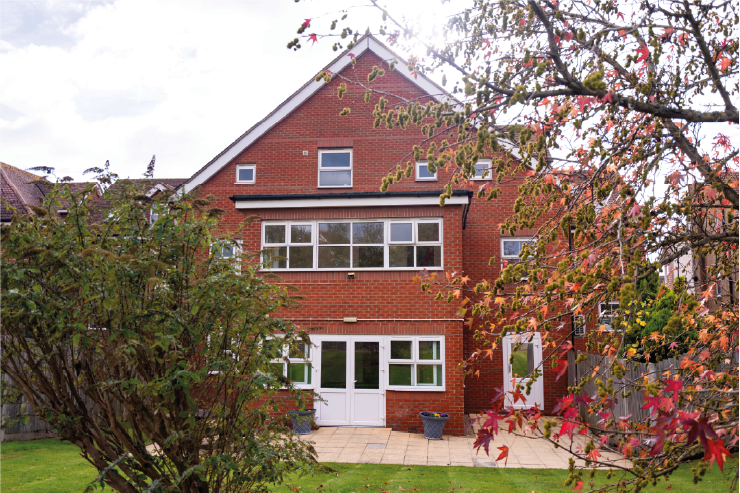
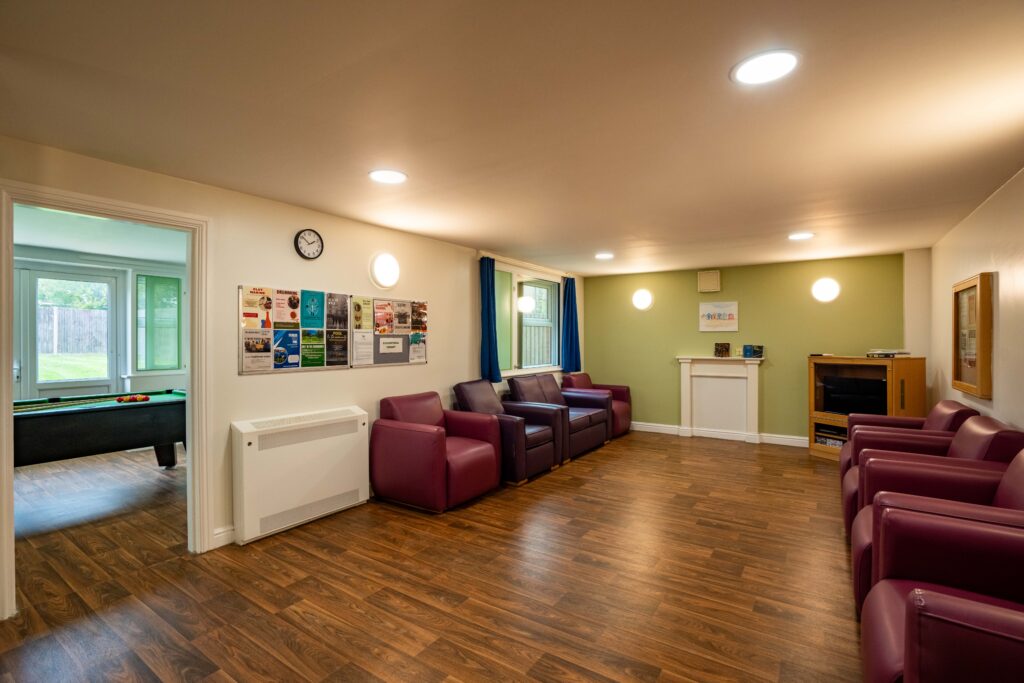
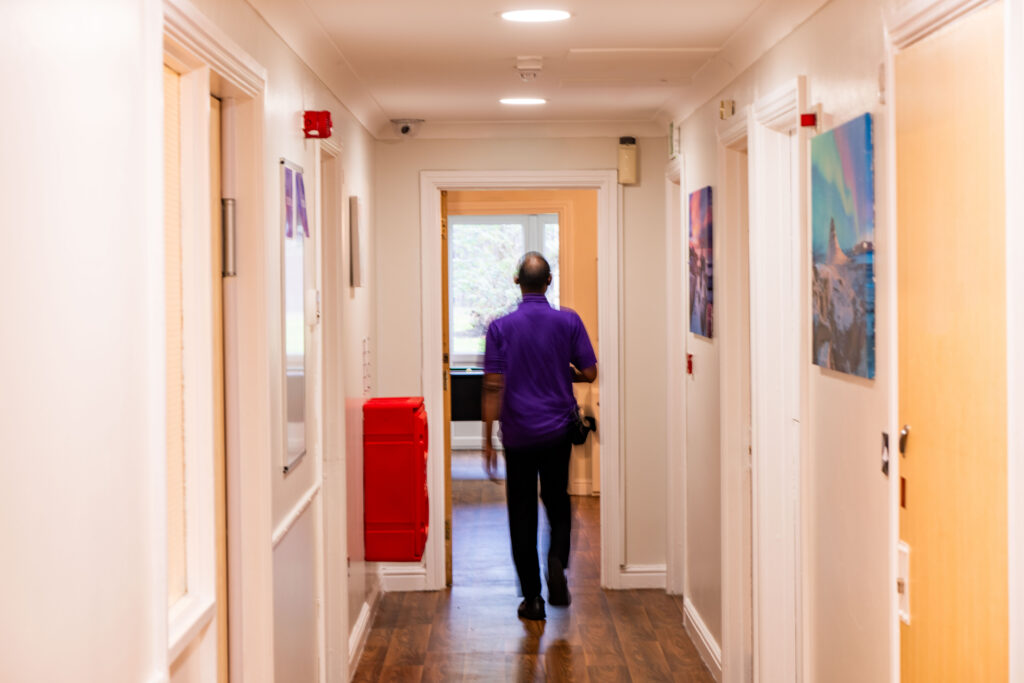
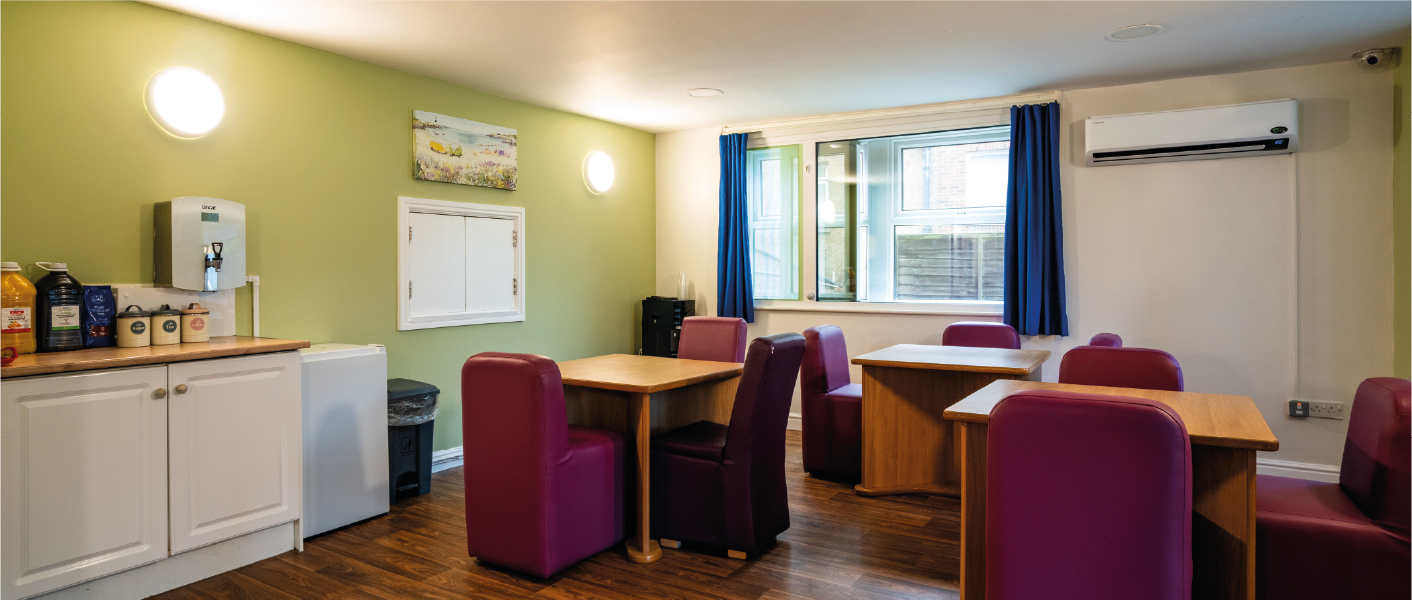
As part of our commitment to supporting the wider healthcare system, we work in partnership with the NHS to provide additional capacity during times of high demand and bed pressures. This collaboration ensures that patients in need of urgent mental health support can access safe, therapeutic, and timely care without delay. The environment is purpose-built, providing a least restrictive secure, and comfortable environment including en-suite bedrooms and access to outside private garden space. Our multidisciplinary team includes consultant psychiatrists, speciality doctors, nurses, psychologists, social worker, occupational therapists, and support staff who work together to deliver individualised care plans.

The team deliver comprehensive assessment, treatment, and recovery-focused support tailored to each individual’s needs. Treatment includes medical assessments, medication management, psychological therapies, Support to manage daily living skills, support to access further education or employment and support for recovery and community reintegration.

Our aim is to help each person stabilise, recover, and transition smoothly back to community-based care. We work closely with NHS partners, community mental health teams, and families (where the individual consents) to ensure continuity of care and lasting recovery. All service users will have access to a variety of different therapeutic interventions delivered by occupational therapy and psychology. The occupational therapy and psychology interventions are delivered in one to one sessions and group sessions.

Occupational Therapy Interventions

The purpose of Occupational Therapy is to enable people to fulfil, or to work towards fulfilling, their potential as members of the community. Activity can be an effective medium for remediating dysfunction, facilitating adaptation and recreating identity. In line with many other Occupational Therapy services working in mental health settings the Occupational Therapy team at the Langford Centre have chosen the Model of Human Occupation (MOHO) (Kielhofner, 2008) as the main theoretical framework to guide their practice.

Occupational Therapy assessments include:

  • The Model of Human Occupation Screening Tool (MOHOST),
  • Occupational Circumstances Assessment Interview
  • Rating Scale (OCAIRS)
  • Sensory Profile

On admission an Initial Occupational Therapy assessment is completed and an Interest Checklist. When nearing discharge an Activities of Daily Living assessment is sometimes indicated to recommend what support may be needed for the individual in the community. The Occupational Therapists are also able to assess mobility needs and the risk of falls.

Individual Occupational Therapy is identified from assessments or referrals from the MDT team. The intervention is tailored to individual needs maintaining an occupational focus and this may include self-care, leisure and productivity. An intervention plan will be created in collaboration with the person and goals set and reviewed. Possible interventions may include independent living skills assessments and interventions, sensory assessments and strategies, and supporting people to engage in meaningful activities.

Occupational Therapy and Physical Health

People that access our service have the potential to present with physical health conditions as secondary issues. As part of this there may be a requirement for a physical health Occupational Therapy assessment. A physical Occupational Therapy assessment can address general strengthening, adjusting wheelchairs, recommending adaptive equipment, or any other task that is within the scope of Occupational Therapy.

Therapeutic groups

All groups are evidence based and designed to support people with skills and strategies to manage their wellbeing, promote independence and create roles and routines.

The groups are designed to be interesting and are reviewed regularly dependant on service user requests and interests.

Groups are used to assess motivation, appraisal of ability, interests, roles and routines. Communication, interaction skills and process skills are also observed which entail timing, knowledge, sequencing and problem solving. Groups can also provide information on fine and gross motor skills, energy levels and posture. Occupational Therapists also observe how the person navigates their physical and social environment.

Psychology Interventions

Due to the design of the acute service being a short admission, intense psychological therapies focussing on trauma such as a full in depth DBT programme, are not suitable to be started within the service. The psychology department are able to provide a variety of other interventions to support individuals during their admission and prepare for more intense psychological interventions.

The psychology department are able to complete a number of Assessments and Screenings:

Cognitive assessments:

  • The MoCA (Montreal Cognitive Assessment) is a short, standardised screening test used to detect mild cognitive impairment (MCI) and early signs of dementia.
  • The ACE-III is a cognitive screening tool used to assess a person’s thinking abilities.
  • ADHD and ASD screenings:
  • The Conners’ Adult ADHD Rating Scales (CAARS) is a standardised psychological assessment used to evaluate ADHD symptoms in adults (ages 18–59).
  • The RAADS-R is a self-report psychological assessment designed to help identify Autism Spectrum Disorder (ASD) in adults.

Once these screenings are completed and scored, a referral is then made to the NHS waiting list for a formal diagnostic assessment.

The Psychological Interventions offered within The Langford Centre for individuals admitted to the acute services include:

1:1 Individual sessions

Brief, focused psychological contacts are offered on a weekly basis to service users with the aim of building therapeutic rapport, assessing psychological and neurodevelopmental needs, and providing targeted support. Formulation considers presenting difficulties alongside predisposing, precipitating, perpetuating, and protective factors, allowing for a holistic understanding of each individual’s needs. Interventions include the use of psychoeducation, and skills training in areas such as emotional regulation, problem-solving, and social communication, alongside supportive strategies such as motivational interviewing and solution-focused techniques. Where appropriate, service users are signposted or referred to specialist services to ensure comprehensive care and continuity of support.

Resilience group

8-session group with practical tools to recognise, manage, and recover from crisis. Combining CBT, DBT, and mindfulness-based strategies, each session focuses on skill-building through interactive activities. Topics include identifying crisis triggers and cognitive distortions, problem-solving, emotional regulation, distress tolerance, self-soothing, mindfulness, and effective communication. Service users gradually build a personalised Crisis Management Plan (CMP) throughout the program, promoting autonomy and relapse prevention.

Drop-in Psychology clinic

Provides brief support for service users experiencing emotional distress, needing support, or seeking coping strategies. Sessions are offered once a week to all the wards with a solution-focused approach. Crisis planning with service users is a proactive, collaborative approach that ensures individuals receive tailored support during emergencies. Plans are co-produced to reflect personal preferences, identify triggers and early warning signs, and outline preferred interventions alongside clear guidance for involving support networks and emergency services.

Mindfulness

Mindfulness involves paying attention to what is happening both within us and in our surroundings, moment by moment. Developing greater awareness of the present can enhance our ability to appreciate the world around us and deepen our understanding of ourselves. On the ward, staff facilitate mindfulness exercises twice daily, with each session lasting approximately 10–15 minutes.

Substance misuse support group

Discussion-based group that focuses upon different substances and the effects it has on the physical and mental well-being of individuals. The main purpose is to have discussions around their experiences of using substances and the impact this has had on their daily lives. This group is for those in any stages of change and covers topics that will be derived from the service users themselves. However, when a topic has not been chosen some prompt questions/topics will be given to service users.


INCLUSION CRITERIA

INCLUSION CRITERIA

INCLUSION CRITERIA

  • Males and Females 18+
  • Requires acute hospital admission for assessment or treatment of mental health disorder.
  • Can have complex needs / challenging behaviours.
  • Can be informal and can also be detained under civil sections of the mha (part 2 of the act).
  • Can have offence related behaviours or an established forensic history.

WHERE TO FIND US

WHERE TO FIND US

WHERE TO FIND US

The Langford Centre

55-65 De La Warr Road
Bexhill-on-Sea
East Sussex
TN40 2JE

CARE QUALITY COMMISSION APPROVED

CARE QUALITY APPROVED

CARE QUALITY APPROVED

Each of our facilities are regulated by CQC who make sure health and social care services provide people with safe, effective, compassionate, high-quality care, encouraging care services to improve.

MAKE AN ENQUIRY

MAKE AN ENQUIRY

MAKE AN ENQUIRY